

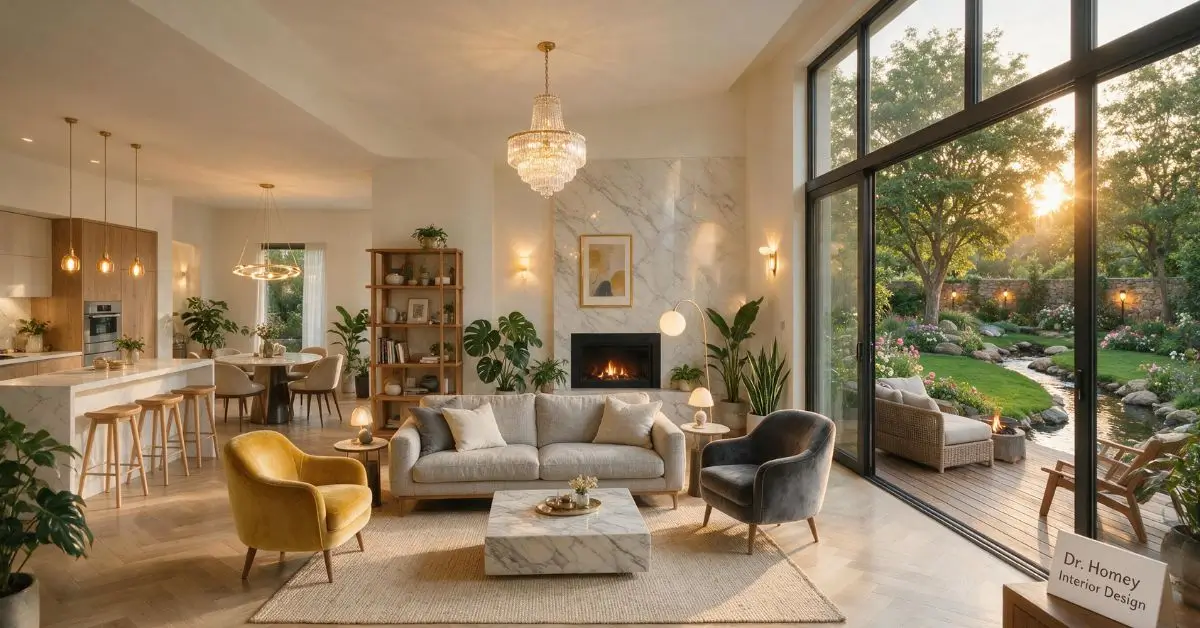
DrHomey Interior Design: A Complete Guide for Real Homeowners
Most people have a clear picture in their head of how they want their home to look. The problem is getting from that mental image to an actual, finished room. Choices feel overwhelming. Budgets feel tight. And the advice available online is often too vague to be useful.
That gap between inspiration and action is exactly what good interior design guidance is supposed to close. And that is what makes DrHomey a resource worth understanding properly.
This guide covers what drhomey interior design is, how it approaches home design, what design principles it draws from, and how you can use those ideas to improve any room in your home, whether you are starting fresh or just trying to refresh what you already have.
DrHomey interior design refers to the home design philosophy, tools, and curated resources offered through the DrHomey platform. It helps everyday homeowners plan and improve their living spaces using practical design principles, style inspiration, and room-specific guidance, without requiring a professional designer or a large renovation budget.
Quick Summary
DrHomey is a home improvement platform that makes interior design practical and accessible. This guide explains how it works, what design principles matter, room-by-room advice, and answers to common questions so you can move from inspiration to action.
Why So Many Homeowners Feel Stuck with Interior Design
Interior design looks simple from the outside. You pick furniture, choose colors, hang some art, and done. But anyone who has actually tried to redesign a room knows how quickly that process gets complicated.
You find a sofa you love, but it arrives and looks completely wrong in the room. You choose a paint color from a small chip, but it reads completely different on a full wall. You buy accessories that looked great in the store but feel random once they are home.
These are not signs that someone has bad taste. They are signs that design involves more than visual preference. It involves understanding proportion, light, function, and how different elements interact in a real space.
That is why resources like drhomey interior design exist. They translate professional design knowledge into practical, accessible guidance that real homeowners can actually use.
What DrHomey Brings to Home Design
DrHomey is built around the idea that good design should not be reserved for people with large budgets or access to professional designers. The platform offers curated room ideas, style guides, product recommendations, and practical how-to content organized by room, style, and budget.
What separates it from general design blogs or social media inspiration is the focus on application. It is not just about showing beautiful rooms. It is about helping you understand why a room works and how to recreate those results in your own home.
A homeowner in Austin, Texas, for example, might use DrHomey to figure out how to style a narrow entryway that currently feels dark and unwelcoming. Rather than generic advice, the platform offers specific guidance on mirror placement, lighting choices, and furniture scale for exactly that type of space.
That combination of inspiration and practical instruction is what makes drhomey interior design genuinely useful.
The Design Principles That Make a Real Difference
Good interior design is built on a set of core principles. These apply regardless of style, budget, or room size. Understanding them helps you make better decisions at every stage.
Scale and Proportion
This is the most commonly ignored principle and the one that causes the most problems. Every piece of furniture should be sized appropriately for the room it lives in.
A large sectional sofa in a small living room does not just take up space. It makes the entire room feel cramped and hard to move through. A small dining table in a large open-plan kitchen looks like it was forgotten rather than chosen.
Before buying any major furniture piece, measure your room. Then measure the furniture. Map it out on paper or use a free room planning tool. Getting scale right costs nothing and fixes more problems than any decorating trick.
Color and Light
Color is one of the most powerful tools in home design, and one of the easiest to get wrong. The issue is that paint colors look dramatically different depending on the light in a room.
A warm white can look yellow in a north-facing room with cool light. A soft gray can look lavender under certain LED bulbs. Always test paint colors on the actual wall in the actual room before committing. Look at the swatch in the morning, afternoon, and evening.
Natural light matters just as much. Rooms with good natural light can handle darker or more saturated colors. Rooms with limited natural light benefit from lighter, warmer tones that reflect available light rather than absorbing it.
Function Before Aesthetics
A room that looks beautiful but does not work for how you live is a design failure. The starting point for any room should always be a clear understanding of how that space will be used daily.
A home office needs task lighting, cable management, and ergonomic furniture. A family room needs durable upholstery, easy-to-clean surfaces, and a layout that accommodates multiple people comfortably. A bedroom needs to feel restful, which means keeping visual clutter and stimulating colors to a minimum.
When function is sorted first, the aesthetic choices become much easier to make.
Visual Balance
Balance does not mean symmetry. It means the visual weight of a room feels distributed evenly so no single area dominates uncomfortably.
You can balance a large, heavy sofa with a substantial bookcase or gallery wall on the opposite side. You can balance a tall floor lamp with a lower, wide sideboard nearby. Learning to see visual weight rather than just size is a skill that significantly improves design decisions.
Room-by-Room Guidance You Can Use Right Now
Living Room
Start with the rug. In living room design, the rug defines the seating area and sets the scale for everything else. It should be large enough that all major furniture pieces have at least their front legs sitting on it. A rug that is too small makes a room feel disconnected.
Layer your lighting. Overhead lighting alone makes a room feel flat and clinical. Add floor lamps and table lamps to create warmth and allow different lighting moods for different times of day.
Keep the color palette focused. Two to three tones work well for most living rooms. Choose one dominant color, one secondary tone, and one accent. Repeat the accent in at least three places around the room to create visual cohesion.
Bedroom
The bedroom should prioritize rest above everything else. That means keeping the design calm, uncluttered, and visually quiet.
Invest in bedding before accessories. A well-dressed bed with quality linens is the single most impactful design element in a bedroom. Everything else should complement it, not compete with it.
Avoid overhead lighting as the only light source. Bedside lamps at the right height for reading make a bedroom feel intentional and functional at the same time.
Kitchen
Kitchen design lives at the intersection of aesthetics and function. The classic work triangle, connecting the sink, stove, and refrigerator, remains a useful guide for layout because it minimizes unnecessary movement during cooking.
Cabinet hardware is an easy and affordable upgrade. Replacing dated pulls and handles with a consistent modern finish updates a kitchen without any structural work. Brushed brass, matte black, and brushed nickel are consistently popular choices in the US right now.
Open shelving looks great but requires discipline. If your everyday dishes and storage items are not organized, cabinet doors will serve you better. Style matters less than how the kitchen feels to use every day.
Bathroom
Small bathrooms benefit most from visual consistency. Keeping tiles, hardware, and fixtures in a cohesive palette makes a compact space feel considered rather than cluttered.
One large mirror almost always works better than a small decorative one. It reflects light, creates the illusion of space, and anchors the vanity wall effectively.
Good lighting around the mirror is important for practical use. Vertical sconces on either side of a mirror eliminate shadows better than a single light bar mounted above.
Budget-Conscious Design That Still Looks Great
You do not need a large budget to achieve a well-designed home. The highest-return improvements are often the most affordable ones.
Paint remains the best investment in any room. The right color on freshly painted walls immediately elevates the quality of everything else in the space.
Rearranging existing furniture costs nothing and often produces surprising improvements. Sometimes a room just needs a different layout to feel more open and functional.
Shopping secondhand for solid wood furniture and quality decor pieces is a genuinely effective strategy. Many DrHomey users find excellent pieces at thrift stores, estate sales, and online marketplaces for a fraction of retail cost. The key is knowing what you are looking for before you start browsing.
A Practical Comparison: DIY Design vs. Platform-Guided Design vs. Hiring a Pro
| Approach | Average Cost | Best For | Main Limitation |
|---|---|---|---|
| DIY with no guidance | Low | Confident, experienced decorators | Easy to make costly mistakes |
| Platform-guided (DrHomey) | Low to moderate | Most homeowners | Limited to available resources |
| Hiring an interior designer | $2,000 to $10,000+ | Complex renovations, full homes | High cost, not always necessary |
For most homeowners working on one or two rooms at a time, a platform-guided approach like drhomey interior design offers the best balance of support and cost-effectiveness.
Conclusion
Improving your home is one of the most satisfying things you can do, but only when you approach it with a clear plan and solid principles. Jumping in without understanding scale, light, function, and balance usually leads to frustration and wasted spending.
DrHomey interior design is a resource that helps you avoid those mistakes by giving you organized, practical guidance before you spend a dollar. Whether you are redesigning a single room or thinking about your whole home, start with the fundamentals covered here and let the details build from there.
Pick one room. Measure it. Understand how you use it. Then make design decisions in that order. That simple approach produces better results than any amount of browsing inspiration without a plan.
Frequently Asked Questions
What is DrHomey interior design?
DrHomey is a home design platform offering practical decorating tips, room ideas, and product recommendations for homeowners.
How do I start using DrHomey?
Choose the room you want to update, explore relevant design ideas, and plan your layout, colors, and furniture before buying anything.
Can DrHomey help with small spaces?
Yes. It provides space-saving ideas, smart layouts, and decorating tips to make small rooms feel larger and more functional.
What design styles does DrHomey cover?
DrHomey features modern, Scandinavian, farmhouse, traditional, transitional, and eclectic interior design styles.
Is DrHomey suitable for US homes?
Yes. Its advice focuses on practical design solutions, common home layouts, and products widely available in the US.