

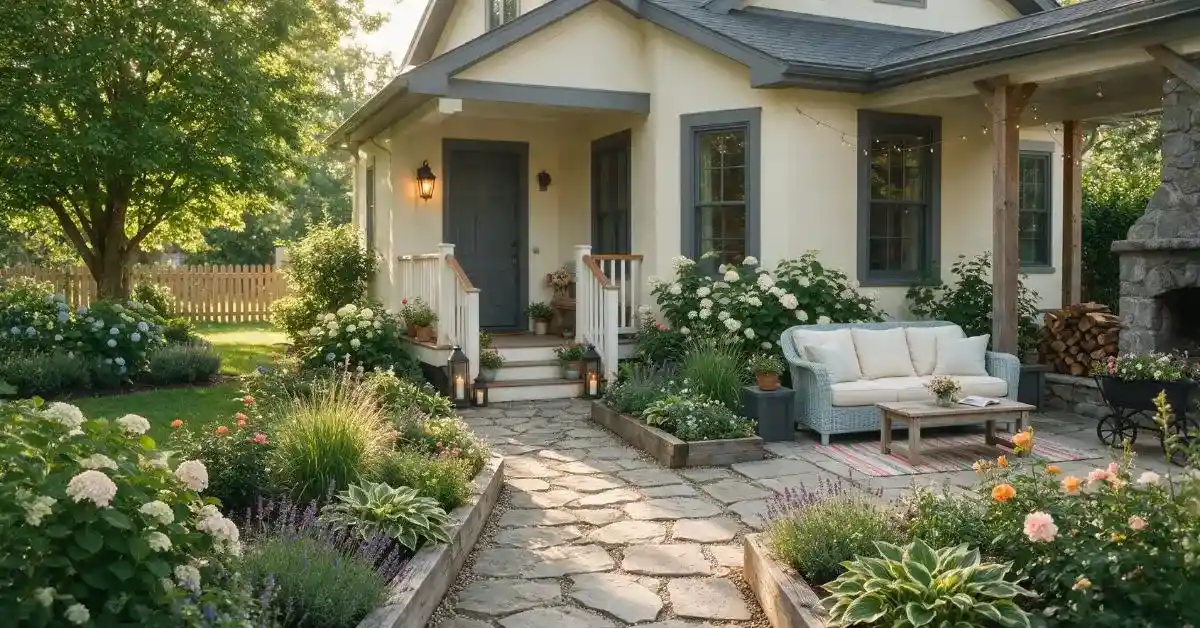
Renovation Tips Decoradhouse Style: The Complete Home Upgrade Guide
Home renovation sounds exciting until you’re standing in the middle of a half-finished room, over budget, and unsure what to tackle next. Most people start with big ideas and quickly run into the reality that renovation — even simple updates — takes planning, priority-setting, and practical knowledge.
The problem isn’t a lack of inspiration. Open any social media platform and you’ll find hundreds of beautifully renovated rooms. The problem is knowing what actually works in a real home, with a real budget, and a realistic amount of time. A lot of renovation content looks good but doesn’t translate into practical action.
That’s where smart renovation guidance makes a genuine difference. Whether you’re refreshing a single room or working through a full home overhaul, the right approach saves money, reduces stress, and produces results that actually last.
This guide covers renovation tips the decoradhouse way — room by room, with honest budget context, clear priorities, and advice you can act on starting today.
Renovation tips in the decoradhouse approach refer to practical, design-informed home improvement strategies that focus on maximizing visual impact and functional value across every room — using smart planning, material selection, and prioritization to achieve meaningful results regardless of budget size.
Quick Summary
This guide covers practical renovation tips for every major area of your home — living room, kitchen, bathroom, bedroom, and outdoor spaces — with realistic budget guidance and clear action steps. No vague advice, no filler.
Start with a Plan, Not a Pinterest Board
The single biggest mistake homeowners make when renovating is starting with aesthetics before addressing function. You find a kitchen style you love, buy the cabinets, and then realize the layout doesn’t work for how you actually cook.
Good renovation always starts with a simple question: what problem am I solving? Is the room too dark? Too cluttered? Not functional? Once you know the problem, every decision — paint color, furniture, lighting, materials — becomes much clearer.
Write down the three things that bother you most about each room before you spend a dollar. That list becomes your renovation priority guide.
Living Room Renovation Tips
The living room is usually the first space people want to update, and it’s also one of the most forgiving. Small changes here have a big visual impact.
Start with the walls
Paint is still the highest return-on-investment renovation move available. A fresh coat of paint in a well-chosen color transforms a room faster than any furniture purchase. Warm neutral tones — soft whites, warm grays, and light taupes — work well in most US homes and photograph well if you ever plan to sell.
For a more dramatic change, consider an accent wall in a deeper tone. This adds depth without committing the entire room to a bold color.
Address the lighting
Most living rooms are underlit, and it shows. A single overhead light creates flat, unflattering illumination. Layer your lighting — an overhead source for general light, a floor lamp for reading corners, and table lamps for warmth. This change alone makes a room feel more designed and intentional.
Rearrange before you replace
Before buying new furniture, experiment with your existing layout. Moving a sofa away from the wall, angling a rug, or repositioning a coffee table can make a room feel entirely different. This costs nothing and often reveals that the furniture you have works better than you thought.
Kitchen Renovation Tips
Kitchens are the most expensive rooms to renovate fully, which is why smart, targeted updates matter so much here.
Cabinet doors, not full cabinets
Replacing cabinet doors and hardware is a fraction of the cost of full cabinet replacement. If your cabinet boxes are in good shape, new doors and updated handles completely change the look of the kitchen. This is one of the most cost-effective renovation tips for kitchens — and it’s widely used by interior designers working within tight budgets.
Backsplash as a focal point
A new backsplash is a weekend project that dramatically changes the kitchen’s character. Subway tile is classic, affordable, and works with almost every kitchen style. For something more distinctive, consider patterned cement tiles or a simple stone look. Budget around $200–$600 for materials on an average US kitchen backsplash.
Countertop alternatives
Full countertop replacement is expensive. But if your current countertops are dated or damaged, there are realistic alternatives. Butcher block sections can replace a portion of the counter for a warm, functional look. Concrete overlays applied over existing surfaces give a modern finish at a lower cost than full replacement.
Appliance updates
You don’t need all-new appliances to modernize a kitchen. Replacing just the refrigerator or range — typically the most visible appliances — has more visual impact than updating multiple smaller appliances. Stainless steel finishes still read as clean and modern, though matte black options have gained strong popularity in recent years.
Bathroom Renovation Tips
Bathrooms are small spaces where targeted upgrades go a long way. Full bathroom renovations can run $10,000 or more in the US — but smart partial updates can achieve 80% of the visual improvement for 20% of the cost.
Fixtures first
Faucets, towel bars, toilet paper holders, and light fixtures are relatively inexpensive to replace and have an outsized effect on how a bathroom looks and feels. Matching all hardware to one finish — brushed nickel, matte black, or polished chrome — creates a cohesive, designed appearance instantly.
Vanity refresh
A full vanity replacement is one renovation worth doing properly if the existing one is outdated. A new vanity with an integrated sink is available from major US retailers starting around $150 for basic models and $400–$800 for mid-range options. Paired with a new faucet, this single change modernizes most bathrooms significantly.
Grout and caulk
Before spending money on tile replacement, try cleaning and re-grouting existing tile. Discolored grout makes a bathroom look old even when the tile itself is fine. Fresh white caulk around the tub and vanity makes the entire space look cleaner and more maintained.
Mirrors and lighting
Replacing a basic builder-grade mirror with a framed option — or a well-chosen frameless design — is a straightforward upgrade. Pair this with a new light bar above the vanity and the bathroom reads as intentionally designed rather than generic.
Bedroom Renovation Tips
Bedrooms are often neglected in renovation planning, but since you spend roughly a third of your life there, getting the space right matters more than most people acknowledge.
The bed frame sets the tone
The bed is the visual anchor of the bedroom. An upholstered headboard or a solid wood bed frame immediately elevates the look of the entire room. This doesn’t require an expensive purchase — mid-range options from retailers like IKEA, Wayfair, or Amazon deliver strong visual results at reasonable prices.
Window treatments
Builder-grade blinds are functional but visually dull. Adding curtain panels — even over existing blinds — adds warmth, texture, and a finished look to any bedroom. Hang them close to the ceiling and wide of the window frame to make the room feel taller and larger.
Closet organization
A disorganized closet creates daily stress that spills into how the bedroom feels overall. A basic modular closet system — installed over a weekend — transforms storage and makes the room feel more controlled and calm. Budget around $150–$400 for a full modular system from a home improvement store.
Outdoor and Curb Appeal Tips
First impressions matter, and the exterior of your home is the first thing anyone sees — including potential buyers if you ever sell.
Front door refresh
Repainting the front door in a bold, well-chosen color is one of the most effective renovation tips for curb appeal. Navy, forest green, and deep red are consistently strong choices that photograph well and stand out without looking out of place. This is a half-day project with paint costing under $50.
Pathway and landscaping
Simple landscaping — edged lawn borders, fresh mulch in garden beds, and a few well-placed plants — makes a home look maintained and cared for. This doesn’t require a landscaper. A few hours of work and $100–$200 in materials can transform a flat, uninteresting front yard.
Outdoor lighting
Solar pathway lights and a new porch light fixture improve both safety and curb appeal. Modern exterior fixtures are available at most home improvement stores starting around $30–$80 and install without an electrician in most cases.
Renovation Priority Guide: Where to Start
| Room | Highest Impact Update | Estimated Budget (US) | DIY Friendly |
|---|---|---|---|
| Living Room | Fresh paint and lighting | $100–$400 | Yes |
| Kitchen | Cabinet doors and hardware | $300–$800 | Yes |
| Bathroom | Fixtures and vanity | $400–$1,200 | Mostly |
| Bedroom | Bed frame and curtains | $300–$700 | Yes |
| Exterior | Front door paint and landscaping | $150–$400 | Yes |
Budget Renovation: What to Prioritize
Not everyone has a large renovation budget, and that’s completely fine. The renovation tips decoradhouse philosophy is about making smart choices, not expensive ones.
Prioritize changes that affect how a space functions first — storage, lighting, layout. Then address what’s visually dated — fixtures, hardware, color. Save decorative additions like art and accessories for last, when you can see how the space actually looks and feels with the structural changes in place.
A realistic US example: a homeowner in Ohio spent $1,800 updating a dated living room and bathroom — new paint throughout, updated light fixtures, a new vanity, and refreshed hardware. No contractors involved. The result looked like a $6,000 renovation because the priorities were right.
Conclusion
Renovation doesn’t have to be overwhelming or expensive to be meaningful. The best results come from clear priorities, smart material choices, and a willingness to start small and build from there. Whether you’re updating a single bathroom or working through a whole-home refresh, the renovation tips decoradhouse approach keeps the focus where it belongs — on changes that genuinely improve how your home looks, feels, and functions.
If this guide gave you a useful starting point, explore more home decor and renovation content on this site. There’s practical guidance here for every room, every budget, and every stage of the renovation process.
Frequently Asked Questions
What are the best renovation tips on a budget?
Focus on paint, lighting, and new hardware. These affordable upgrades offer the biggest visual impact.
Which room should I renovate first?
Start with the kitchen, living room, or main bathroom since these spaces are used most often.
How can I renovate a kitchen without replacing cabinets?
Replace cabinet doors or hardware, then update the backsplash or countertops for a fresh look at a lower cost.
What renovations add the most home value?
Kitchen and bathroom upgrades, fresh paint, landscaping, and curb appeal improvements usually deliver the best return.
Should I renovate before selling my home?
Yes, but focus on minor updates like paint, fixtures, and repairs instead of major remodels.
How do I choose the right paint color?
Test paint samples in different lighting and choose warm neutral shades that match existing flooring and furniture.