

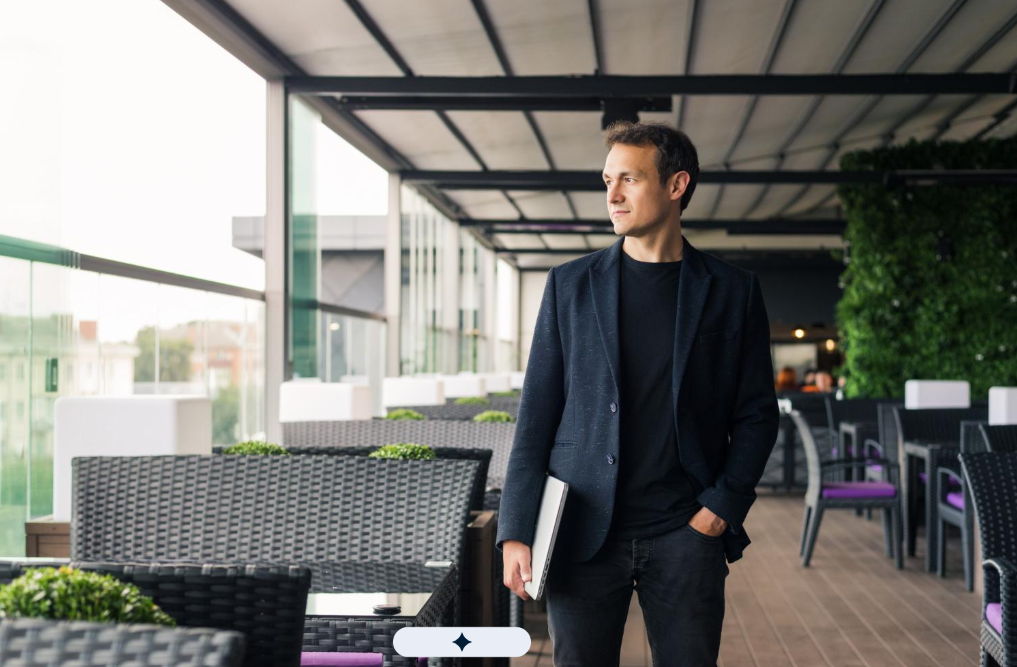
A retractable awning is one of the few home or shop upgrades you can adjust to the weather. Roll it out on a hot afternoon and the patio becomes usable. Roll it back on a cool spring morning and you get the sun back. For a storefront, the same awning can shade a display window, give customers a dry spot to pause, and make the entrance easier to spot from the street.
Picking the right one takes a bit of planning. Here is what to think about before you buy.
Start with how you will use the space
Before looking at fabrics or motors, spend a few days watching the space you want to shade. Note:
- When the sun hits it. A west-facing patio gets harsh late-day sun, so you may want a longer projection or a drop valance.
- How you use it. A dining table needs full shade at certain hours. A pair of lounge chairs may need less.
- What sits below. Grills, heaters, and fire pits need clearance from fabric. Check the grill or heater instructions for safe distances.
- Wind exposure. Open lots and hilltops see stronger gusts than sheltered backyards.
For storefronts, add foot traffic, door swing, signage, and the sidewalk itself to the list. Many towns have rules about how far an awning can extend over a public walkway and how high it must sit above it.
Manual or motorized
Manual awnings use a hand crank. They cost less and have fewer parts that can fail. They suit people who use the awning often and do not mind the effort.
Motorized awnings open with a switch or remote. Some can connect to sensors:
- Wind sensors retract the awning when gusts pick up.
- Sun sensors extend it when the light gets strong.
- Rain sensors retract it in a storm.
Sensors are worth considering for storefronts where no one may be around to pull the awning in, and for homeowners who travel. Even with sensors, retractable awnings are not built for high winds or heavy snow, so roll them in when storms are coming.
When comparing local installers, look for one that handles both residential and commercial work and also repairs existing awnings. GT Watts Awnings, a company in Enola, Pennsylvania, is one example. It makes and installs retractable awnings for patios and businesses in central Pennsylvania and offers free estimates. Wherever you live, ask any installer about warranty terms on the fabric, frame, and motor separately.
Size, projection, and mounting
Retractable awnings are usually described by width (side to side) and projection (how far out they extend). Wider is not always better. An awning that is too large for the wall can look heavy and may need extra support.
Mounting options include:
| Mount type | Where it goes | Good for |
| Wall mount | On the wall above a door or window | Most patios and storefronts with enough height |
| Soffit mount | Under the roof overhang | Single-story homes with low walls |
| Roof mount | On brackets attached to the roof | Homes where the wall is too short or blocked |
The wall behind the awning matters as much as the awning. Brick, block, and solid framing hold brackets well. Vinyl siding over sheathing alone does not, so an installer may need to locate studs or add blocking. On older storefronts, check the condition of the facade before drilling.
Pitch matters too. A slight downward angle helps rain run off instead of pooling in the fabric.
Fabric, color, and shade
Fabric is what you see every day, and it affects how long the awning lasts.
- Solution-dyed acrylic is common on residential awnings. Color runs through the fiber, so it tends to resist fading. It breathes, which helps keep air moving underneath.
- Vinyl-coated polyester sheds water well and is easy to wipe clean, which suits some commercial spaces.
- Mesh or screen fabrics let some light and air through while cutting glare, which works well for spots where you want shade without darkness.
Lighter colors reflect more sun. Darker colors hide dirt and give stronger shade underneath. For a storefront, many owners match the fabric to their signage or brand color, and some add lettering on the valance.
A shaded window lets in less direct sun, which can make rooms behind it feel cooler on summer afternoons. This is one reason many homeowners put awnings over south and west windows, not only over patios.
An awning works alongside other cooling steps, not in place of them. Sealing air leaks, keeping filters clean, and choosing efficient equipment all play a part. ENERGY STAR has practical guidance on heating and cooling a home efficiently, and it pairs well with planning where shade will do the most good.
Care and upkeep
A retractable awning lasts longer with simple care:
- Let it dry before rolling it up. Storing wet fabric invites mildew.
- Brush off leaves and debris so they do not stain or trap moisture.
- Rinse the fabric with mild soap and water a few times a season. Avoid harsh cleaners that can strip protective coatings.
- Check the arms and brackets each spring for loose bolts or rust.
- Retract it in strong wind, heavy rain, and snow.
- Cover or retract it for winter in cold climates if a hood or cover is available.
Final checks before you order
Before you commit, confirm the measurements on site, check local permit and sidewalk rules for storefronts, and get a written quote that lists the fabric, frame, mount, motor (if any), and warranty. A well-chosen retractable awning should serve your patio or shop for many seasons, and the planning you do now is what makes that possible.